
1 YEAR. 97% ADOPTION.
Seafood with a Soul, Training to Match.
From a mountain of binders to a seamless mobile app. How Training Table turned a detailed paper program into a system a new hire can complete on their phone, a manager can coach from in real time, and a veteran can revisit without feeling sent back to basics.
The Situation
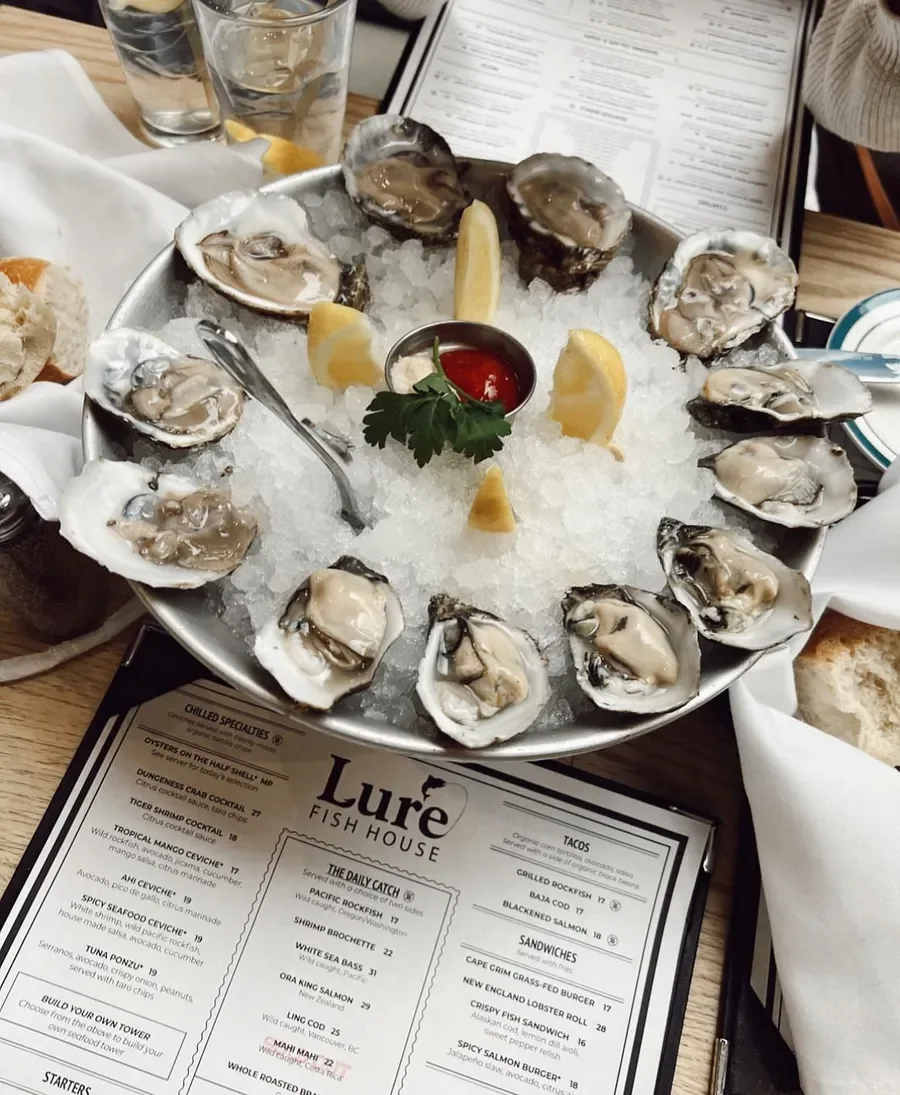
Lure Fish House has always known who they are. Seafood with a Soul. Warm, polished, guest-first hospitality across locations in California and Arizona.
Their training program lived on paper. It was detailed, thorough, and full of the care and experience you would expect. The problem was that it was almost too detailed to execute consistently across the natural inconsistency of restaurant operations. Different trainers, different managers, different locations, and a generation of new team members who learn completely differently than the ones who came before them.
That is where Training Table came in. Not to reinvent what Lure already knew about training, but to take their documents and their institutional knowledge and translate it into something a new hire could complete on their phone, a manager could coach from in real time, and a veteran team member could revisit without feeling sent back to basics. The goal was consistency without rigidity, and for the first time, a path to bring the back of house into the conversation too.
STARTING BEFORE WE WERE READY
The instinct in training is to wait until everything is finished. Get the content right, build every module, then roll it out. Clean. Complete. Ready.
But that is also how you end up with a rollout too big for anyone to absorb. A platform that feels overwhelming on day one. A team that never quite settles into using it.
Lure started with Cast Call instead. Cast Call is Lure's monthly team communication, built and delivered right inside Opus. Each issue spotlights a few things the team is working on that month, written in a voice that feels more like a note from leadership than a training requirement. Every topic links to a course already waiting in Opus, and every issue comes with a manager-led Check-In so the content does not just get read and forgotten.
Underneath all of it, Cast Call was quietly building a habit. The team opened Opus every month, navigated it, found things, and got comfortable with a platform that was still growing at the same pace they were.
“Honestly, it changed how the team thinks about Opus. It stopped feeling like somewhere they were sent when something went wrong. It became just where we talk about what we're working on.”
LURE FISH HOUSE OPERATIONS TEAM
BY THE NUMBERS
97%
Platform adoption across all locations, above their 90% target.
What Lure's Opus dashboard looks like today.
95%
Trainee engagement, against an 80% goal.
4.59/5
Average course rating across 3,510 individual ratings.
100%
Manager engagement, every location.
11,952
Library content views in the last 30 days, up 21%.
233
Questions asked through Ask Opus in the past 30 days, up 46%.
The most-assigned training in the building right now, across all locations? This month's Cast Call.
Growing Into It Together
By the time the deeper builds were ready, the platform was not unfamiliar. There was no steep curve. The team already knew how to find things, complete a Check-In, and use Ask Opus mid-shift.
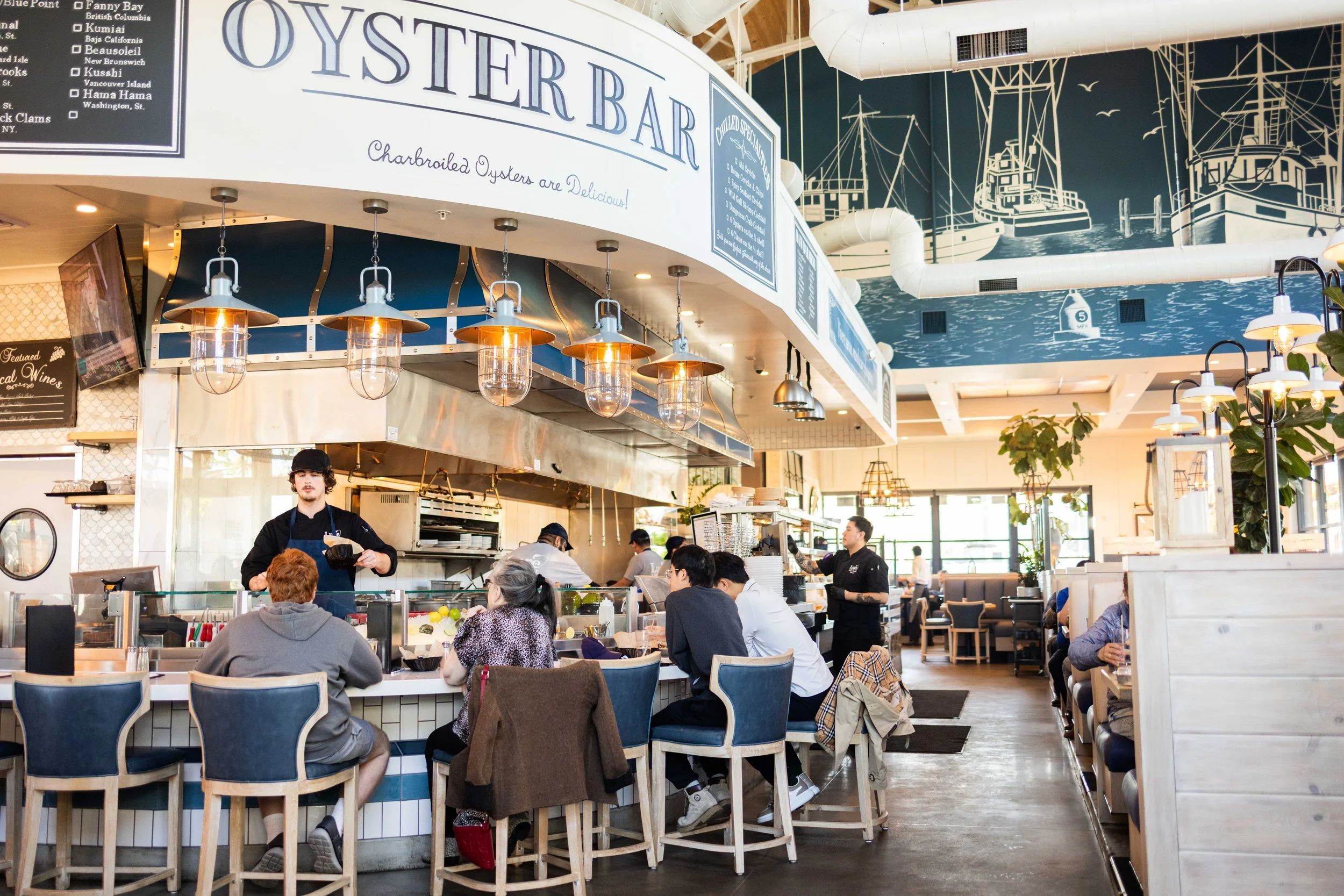
What followed Cast Call was a full front-of-house training build. Server, bartender, oyster bar, host, pre-busser, and expediter. Every position got its own path through Opus, built around the steps of service, the standards Lure already held, and the reality of how those roles function on a busy night. Nothing was published straight to the full system. Each program went to a single test location first, the team used it, managers gave feedback, and the content got sharper before it reached everyone else.
Back-of-house training followed, something Lure had never formally built before. Prep, dish, and every line station through the kitchen. Every recipe was uploaded into Opus as a living document, which unlocked one of the platform's most meaningful features for Lure: automatic translation into over 100 languages. For the first time, every person in the kitchen had access to the same information in a language they could actually read. Kitchen SOPs, cleaning standards, equipment maintenance, and troubleshooting guides all live in one place, so the team can take care of their space rather than waiting on a manager to answer every question.
The bar management module came next. Fifteen courses built entirely at the oversight level, covering operations, product knowledge, coaching, and the foundations of financial management. Eight weekly Check-Ins and a formal final certification gave bar managers a clear path to completion and gave leadership a consistent way to verify readiness.
The Manager in Training program followed, a five-week structured journey with weekly themes, daily agendas, and built-in verification at every stage before a trainee can advance. Alongside it, daily line checks were built into the task list function, something the management team now runs every single day across every location.
What started as a six-month retainer is coming up on a year, with Cast Call going out every month the whole way through.
What Made It Work
There is a version of this project where everything gets built before anyone sees it. The content is good. The program is thorough. And then the rollout happens, and the team is handed something so complete and so large that it is genuinely hard to know where to start. Managers feel behind before they have begun. The platform becomes something people avoid rather than reach for.
For Lure, the opposite worked. The platform started a little empty and filled in over time, alongside the team. Every month there was something new to find. Every month managers had a natural touchpoint to coach from. By the time the bigger builds arrived, they did not feel like an assignment. They felt like more of what the team was already doing.
The content is still evolving. It probably always will be. That is what it looks like when training is actually alive inside an organization.
The training program does not have to be perfect to be useful. It just has to be present.
FOUNDER AND ACCOUNT LEAD TRAINING TABLE
About The Training Table
The Training Table is a fractional training department for restaurant brands with 5 to 250+ locations. We design, build, and manage complete training ecosystems, from SOPs and new hire onboarding to shift leader development and manager certification, without the overhead of a full-time department.
We are a proud Preferred Partner of Opus Training.
Ready for results like this?