
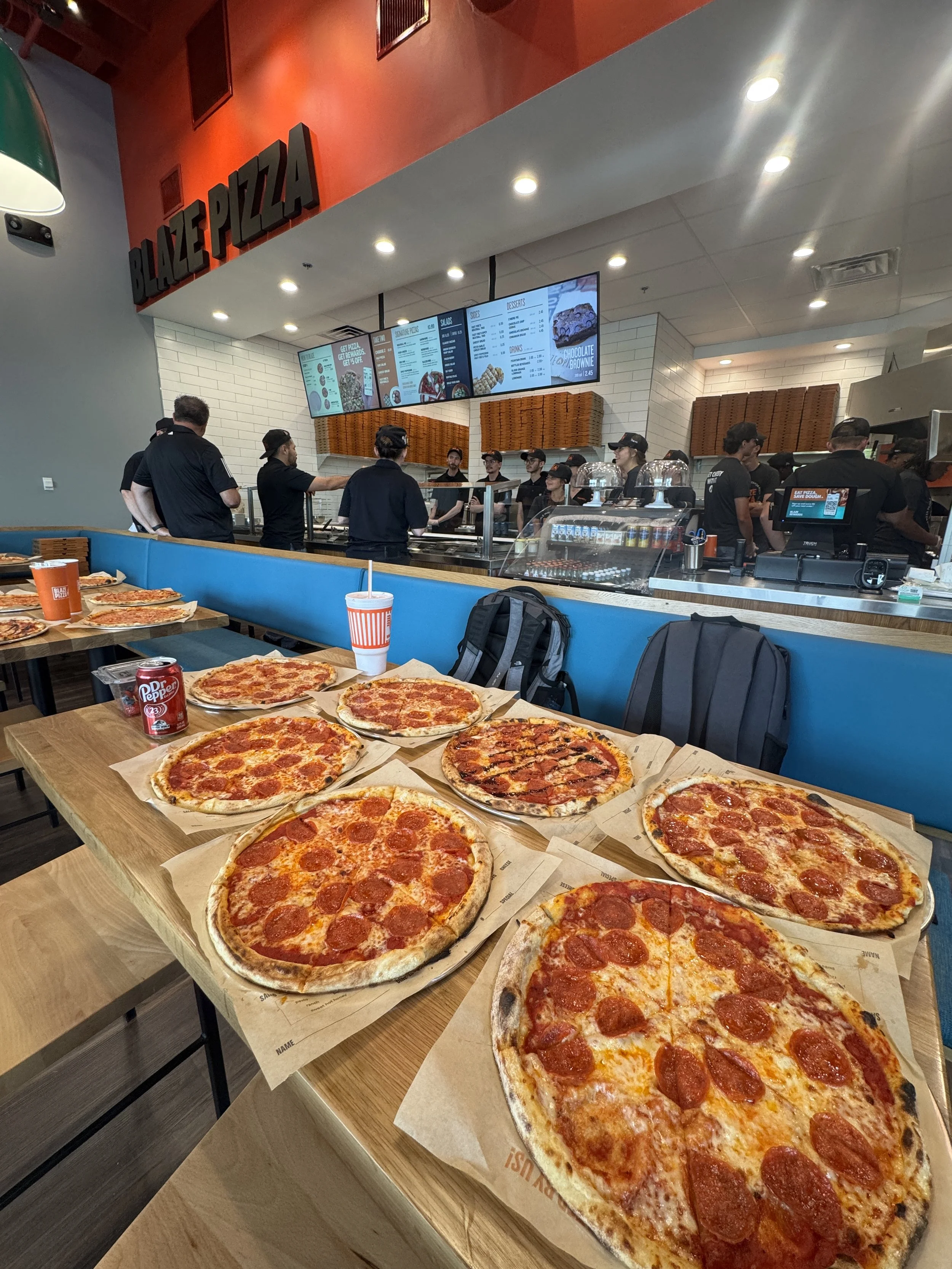
60 Days. 270+ Locations.
A Training Ecosystem Built from Scratch.
How Training Table stepped into a platform migration under pressure and built Blaze Pizza’s entire training infrastructure on a timeline no one thought was possible.
The Situation
In April 2025, Blaze Pizza was facing a critical transition.
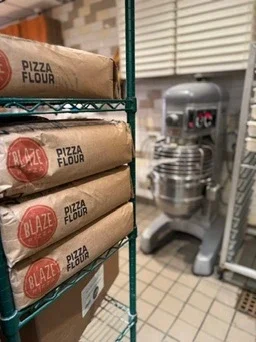
The brand had recently moved to Opus, one of the restaurant industry’s leading training platforms, but the migration was still in its early stages. Meanwhile, their legacy platform, Playerlink, housed years of accumulated training content: over 3,000 pieces of material, mostly in static PDF format, built up over time across multiple contributors and iterations.
The Playerlink contract was ending in 60 days. When it did, access to the entire library would be gone.
Blaze’s Training Director was a seasoned operator: sharp, experienced, and deeply committed to the brand. But building a training ecosystem from the ground up inside a new platform, under this kind of deadline, required a specialized skillset and dedicated bandwidth. That’s when Opus connected Blaze with The Training Table.
The Challenge
When Training Table stepped in, the scope was clear and significant:
60 days to rebuild and launch before Playerlink access expired
3,000+ pieces of legacy content to audit, prioritize, and reconstruct in Opus
11 hourly positions mapped for new hire onboarding and positional training, all needing to be built from scratch and optimized for the platform
A brand with 250+ locations depending on the output
To put the scope in perspective: every one of those 250+ locations across the country needed to be on the new system before the old one went dark.
The instinct in a situation like this is to move fast. Grab the old content, drop it into the new platform, and call it done. Steph knew that approach would fail.
“A platform is infrastructure. The real work is what you build inside it. You can’t take legacy material and drop it into a new system and expect the new system to deliver. You have to rebuild the content to be optimized for the platform, and you have to create real buy-in with the teams who are going to use it.”
So that’s exactly what they set out to do: rebuild, not migrate.
What Happened Next
Months 1–2: The Sprint
Working in lockstep with Opus, the Training Table team audited the existing content library, identified what was current, and began rebuilding from the ground up. The goal: a V1 of all hourly new hire onboarding and positional training across all 11 mapped positions, live in Opus before the Playerlink contract expired.
They hit the deadline.
But the real work was just beginning.
Month 3: The Visit That Changed Everything
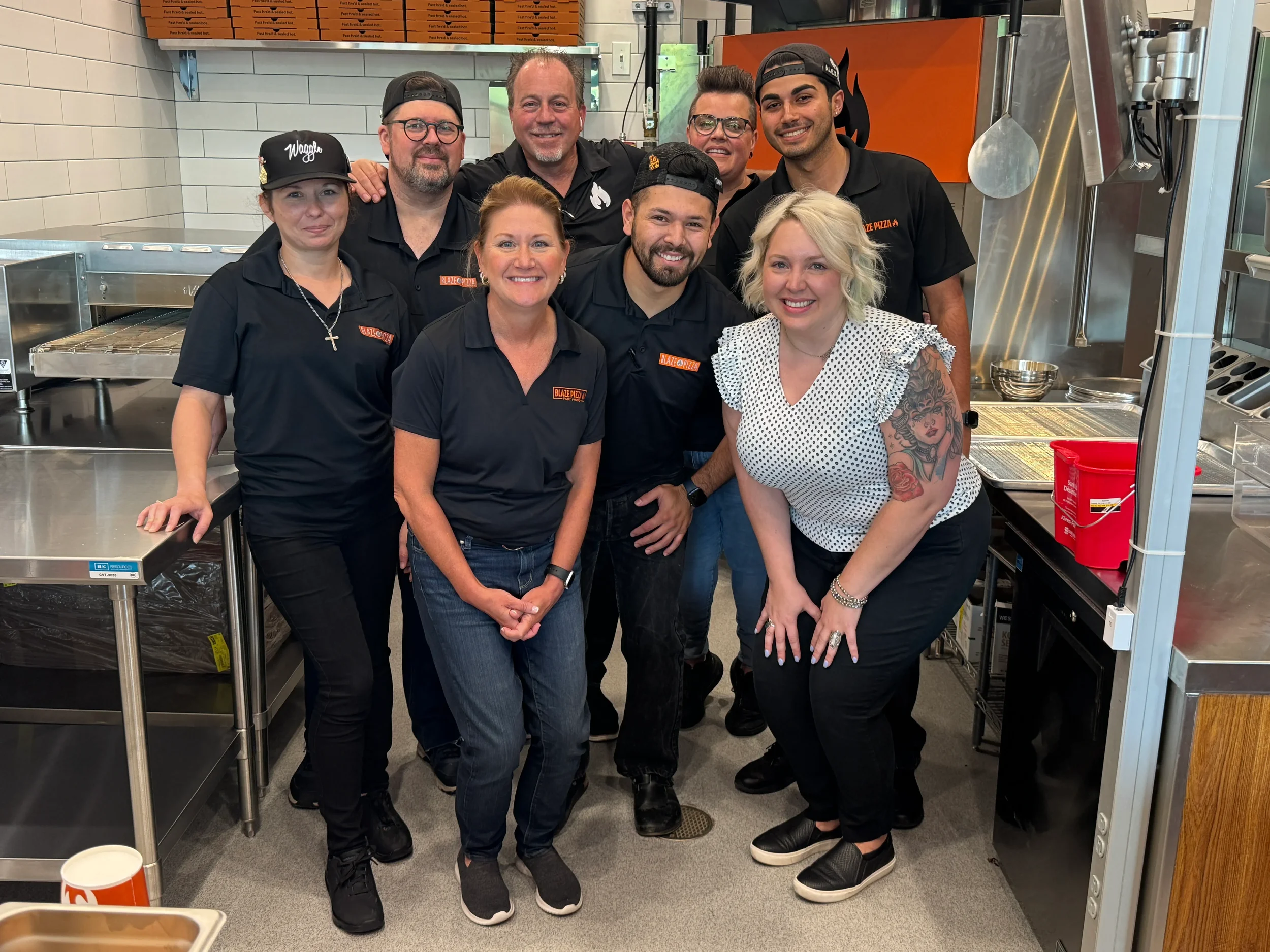
In July, Steph got on a plane.
Blaze had invited her to join them on-site for a new restaurant opening, the first NRO run with Opus in action. It was also the first time everyone was meeting the newly appointed COO in person.
What they found when they arrived was honest and important: the approach needed to evolve. The training program built for steady-state new hire onboarding and a structured NRO group training experience are two fundamentally different use cases, and the gap became obvious the moment they were in the room.
So they pivoted. On-site. In real time.
While Steph was making pizzas alongside new hires and getting her hands in the actual experience, she and the team rebuilt the approach, creating an NRO-specific use case for Opus with all the material to match. It was exactly the kind of front-line intelligence that no amount of remote planning can replace.
For Training Table, it was one of the best days of the engagement. For the COO, it was a window into how The Training Table works: adaptive, practical, and completely at home in the heat of the operation.
That visit, more than anything, is what kept The Training Table in the picture for what came next.
The Expanded Scope
As Blaze’s leadership team evolved, including a transition in the Training Director role, Steph became the most knowledgeable person on the training project. Blaze leaned in. The contract was extended through the end of the year, with a new scope: build V1 of shift leader development and new manager training, in addition to continuing to refine everything already in the platform.
The typical timeline for a build like this? Four to six months for new hire training alone. Four more for manager training. Training Table’s team had to compress it all.
The Round Table: Intelligence from the Front Line
Operating remotely and without an internal Training Director, Training Table faced a critical gap: we had no direct line to the people actually using the training. The team members, shift leads, and managers in Blaze locations across the country.
She proposed a solution to the COO: a monthly Training Round Table.
Field representatives from across the Blaze system joined a monthly call to share feedback, surface what was working, flag what wasn’t, and bring ideas from the front line directly into the development process. Each call shaped the next month of builds.
It was a straightforward idea. It changed the trajectory of the project.
“The best training ideas don’t come from the boardroom. They come from the people running the shift.”
Months 4–10: Building the Ecosystem
As Blaze’s leadership team continued to grow (a new Director of Operations Services, an Operations Services Manager, and ultimately a new Learning & Development Director all joined the organization), Steph onboarded each of them into the platform, incorporated their perspectives, and kept building.
By the end of the engagement, Training Table had delivered:
Full new hire onboarding program for hourly team members, all 11 positions
Positional training tracks, built and optimized for Opus
Shift leader development program (V1)
New manager onboarding program (V1)
A defined organizational system for Opus, so content stays current, accessible, and organized by level no matter how the platform grows
Modules, resources, SOPs, and operational guidance throughout
A monthly Training Round Table model that gave field teams a voice in the process
All of it. In 10 months. For a 270-location national brand.
The Outcome
Blaze Pizza closed 2025 with something they didn’t have at the start of it: a real training infrastructure.
Not a folder of legacy documents. Not a platform being paid for but not fully utilized. A living, organized, role-specific training ecosystem, built for the way their teams actually work, on a platform their people know how to use.
Blaze’s new L&D team is now positioned to take the reins, maintain the system, and grow it as the brand grows.
What This Engagement Made Clear
Three takeaways from Blaze Pizza’s training build that apply to every growing restaurant brand:
1. A platform is infrastructure. The work is what you build inside it.
Technology doesn’t create a training program. It houses one. Moving legacy content into a new system without rebuilding it for the platform creates a more expensive version of the same gap. The real value is in the rebuild.
2. The front line has the answers.
The Training Round Table wasn’t just a project management tool. It was a recognition that the best training intelligence lives in the people running shifts, not in a remote contractor’s Google Doc. Build a feedback loop into your training model, and your program gets smarter every month.
3. Speed and quality aren’t always opposites.
This engagement moved faster than any of us would have chosen. But by staying disciplined about what we were building (optimized for the platform, designed for the user, grounded in field feedback), the speed didn’t compromise the result. It required more grit.
About The Training Table
The Training Table is a fractional training department for restaurant brands with 5 to 250+ locations. We design, build, and manage complete training ecosystems, from SOPs and new hire onboarding to shift leader development and manager certification, without the overhead of a full-time department.
We are a proud Preferred Partner of Opus Training.
Ready for results like this?